About Us
The Social Planning Network of Ontario (SPNO) is a collaborative network of social planning organizations committed to fostering social and economic justice, equity, and community well-being across Ontario.
Founded in 1992, the Social Planning Network of Ontario (SPNO) is a coalition of social planning councils (SPC), community development councils (CDC), resource centres, and planning committees.
Each individual organization has their own mandate but are connected in the cause of effecting change on social policies, conditions, and issues

Our Mission
The Social Planning Network of Ontario exists to strengthen the capacity of voluntary, community-based social planning organizations to:
- Share knowledge and skills
- Promote social and economic justice and human rights
- Provide a common voice to influence policy development and implementation, and
- Improve quality of life and community well-being.
Our Vision
Our vision is to be a strong, effective catalyst for positive social change by promoting social planning in Ontario.

Our Core Values
Community
Community is at the heart of social planning, shaping both the work and operations of social planning organizations in meaningful ways.
Voluntarism
With community members as key stakeholders, social planning organizations promote voluntary leadership and engagement in shaping local policies and initiatives.
Diversity
Embracing varied backgrounds and experiences, social planning organizations value the richness that diversity brings to communities and decision-making processes.
Equity & Social Justice
Committed to fairness, social planning organizations strive for social justice, ensuring equal opportunities and rights for all community members.

Definition of Social Planning Organization (SPO)
- A social planning organization is a community-based nonprofit that brings people together to understand and respond to local social issues. These organizations work to make communities more inclusive, equitable, and liveable for everyone-especially those who are vulnerable or marginalized. They do this by:
- Listening to the community to understand its needs and strengths
- Engaging residents and organizations in building their capacity and finding solutions
- Conducting research to highlight social trends and challenges
- Advocating for better policies and services
- Supporting community actions and collaborations
- Social planning organizations are independent, nonpartisan, community-driven, and work with others—governments, nonprofits, grassroots groups, and residents to make real, positive change happen.
- In Ontario, SPOs work collaboratively to address social, economic, and cultural challenges that impact individuals, families, and communities through the Social Planning Network of Ontario (SPNO).
Characteristics of a SPO
Independent and Nonpartisan
Free to Speak, Focused on Change
Social planning organizations operate with the autonomy needed to question existing systems and propose bold alternatives. Unlike many public sector bodies or direct service agencies, they are community-driven and not bound by political agendas, allowing them to offer honest, critical perspectives on policies and practices. g.

Inclusive
All Voices, One Community
Social planning organizations are grounded in the belief that everyone deserves a seat at the table. They intentionally create inclusive spaces. By embracing diversity in all its forms, these organizations ensure that community development efforts are enriched by a wide range of experiences and perspectives. Inclusiveness is a vital strength that drives lasting social change.

Community Driven through Citizen Participation
Empowering Community Voices in Every Decision
Active involvement lies at the heart of effective community development. By fostering opportunities for civic engagement, they help build a sense of ownership, accountability, and trust within communities. This inclusive participation ensures that change is community-driven, rooted in the voices and needs of the people themselves.

Knowledge-Based Action
Turning Insight into Impact
Social planning organizations bridge the gap between research and real-life community experiences. By combining data-driven analysis with lived knowledge from residents, they develop well-informed strategies to address complex social challenges. This approach leads to more practical, sustainable, and inclusive solutions. It transforms information into tools for advocacy, planning, and measurable change.
Collaborative
Building Confident and Capable Communities
Social planning organizations are dedicated to strengthening the capacity of individuals and communities to influence the decisions that shape their lives. By fostering leadership skills, providing education, and supporting civic participation, they help people understand and navigate democratic systems with confidence.

Community Accountability
Leadership That Reflects the People
Social planning organizations are rooted in democratic governance. By being membership-based and governed by boards elected by the community, they ensure decision-making remains transparent, inclusive, and directly informed by the people they serve. This structure reinforces a strong sense of responsibility to the public and builds trust by ensuring that leadership remains answerable to the community, not just funders or external bodies.

SPO Strategies, Roles, Functions
Social planning organizations strive to reflect their values, achieve their goals and put their operating principles into practice by employing the following approaches in their community work:
Social Research
Social planning organizations undertake independent research on social trends, needs, and issues relevant to a variety of constituencies in their communities.
Community Engagement
Deeply rooted in their communities, they empower individuals and organizations to initiate, support, and sustain positive social change.
Community Dialogue
Acting as neutral spaces, social planning organizations facilitate discussions, helping resolve complex issues and build consensus for shared action.
Mobilization & Partnerships
They unite affected groups, creating networks, coalitions, and partnerships that drive collaborative problem-solving and meaningful community change.
Education & Awareness
They foster deeper understanding of social issues, ensuring informed communities and stronger advocacy for collective well-being.
Service Development
From identifying service gaps to improving coordination, social planning organizations enhance program effectiveness and accessibility for community members.
History
the Social Planning Network of Ontario (SPNO) informally begins.
Social planning organizations across Ontario formally join together to create SPNO.
A Task Group is formed to prepare a document defining independent, community-based social planning.
SPNO endorses the statement prepared by the Task Group, clarifying its mission and approach.
Leadership within SPNO rotates among various social planning organizations, depending on available resources. The Ontario Social Development Council and the Community Social Planning Council of Toronto (now Social Planning Toronto) played key leadership roles, helping to sustain SPNO. Other social planning organizations also take on leadership roles as needed. The network grows steadily, supporting the stability and impact of social planning across Ontario. Over time, SPNO has operated through a collaborative, resource-sharing model rather than a centralized control structure.
SPNO continues to support joint research efforts, particularly related to housing. Focus on resource and information sharing with member agencies. Networking is enhanced with in-person Conferences resuming in 2024.
Guiding Vision, Community Leadership
SPNO Board of Directors
The SPNO Board is composed of committed leaders from across Ontario’s social planning landscape. They provide strategic direction, uphold our mission, and ensure our work remains community-driven and equity-focused.
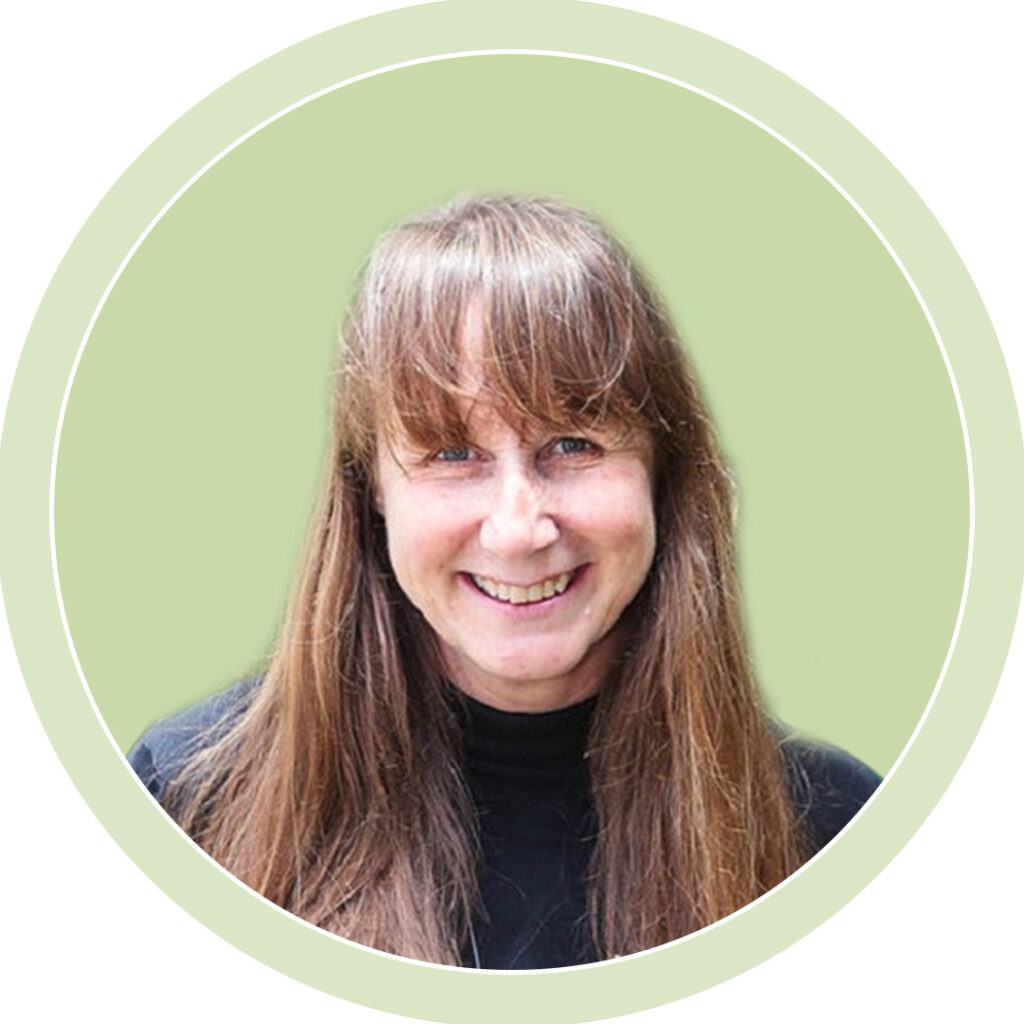
Rishia Burke
Chair
Community Development Halton

Jin Huh
Vice Chair
Social Planning Toronto
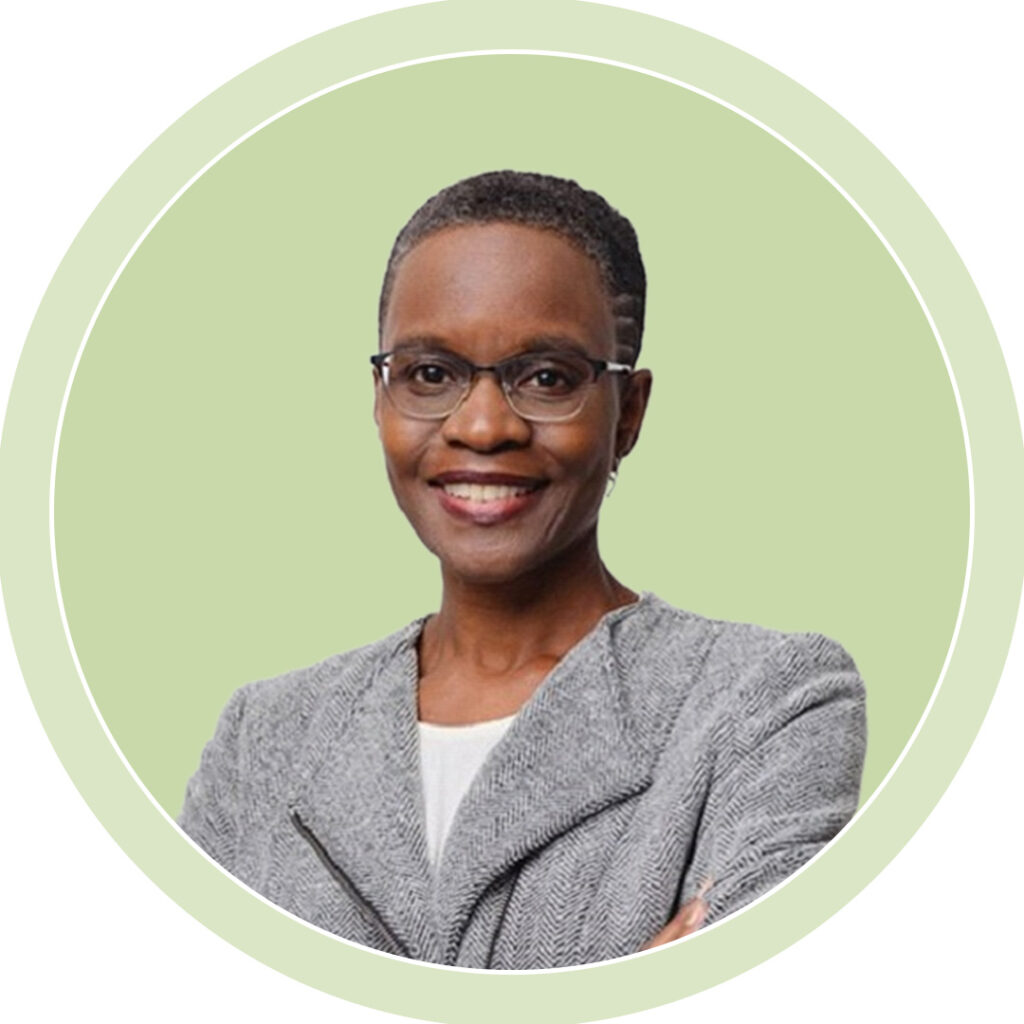
Kim Martin
Treasurer and Secretary
Social Planning & Research Council of Hamilton

Reuben Mulinda Nashali
Social Planning Council of Ottawa
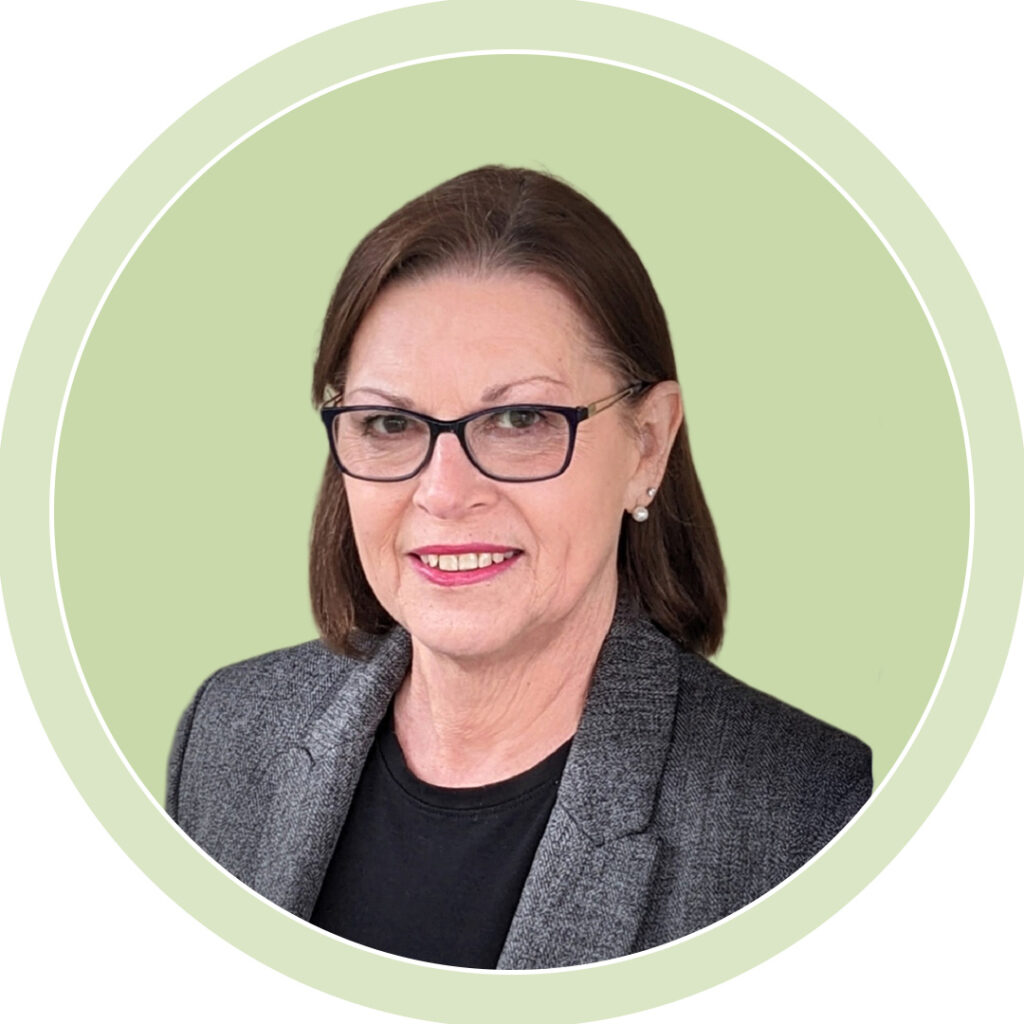
Audrey Owen
Social Planning Council Oxford

Devin Ruttan-Stokes
Social Planning Council of Kingston and District

Parastou Saberi
Community Development Council Durham
Many social planning organizations (SPOs) are members of SPNO. SPNO is a member of several organizations. We are also building connections with SPOs across Canada and other aligned organizations.